
The Future of Jobs Lies in Skills, Experience and Practical Learning
UDS Foundation stresses that hands-on training and practical skills are now essential for employability, helping India’s youth become job-ready, self-reliant and future-focused.
 Abha Yadav
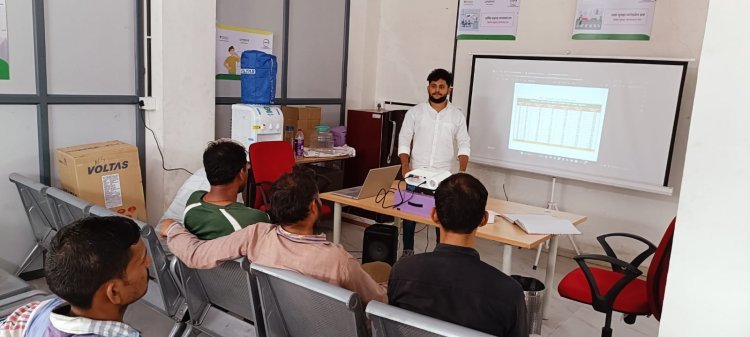
At UDS Foundation, our work in skilling, community development and youth empowerment has shown us a simple reality: classroom learning by itself is often not enough to prepare a young person for the world of work. Across sectors, employers are not looking only for certificates. They are looking for people who can perform, adapt, solve problems and deliver results in real settings. That is why hands-on training has become crucial for career success.
An important message for India's skill development ecosystem-
India’s recent policy direction supports this view. In Pune this April, Union Minister Jayant Chaudhary launched Asia’s first UNESCO Chair on Gender Inclusion and Skill Development and spoke about the need for growth that is not only large in scale, but inclusive in how it creates opportunity. This is an important message for India’s skilling ecosystem. Skill development cannot be limited to a privileged few or to urban centres alone. It must reach young people from low-income families, women, rural communities and those who may not have access to traditional career pathways.
Practical understanding of employability-
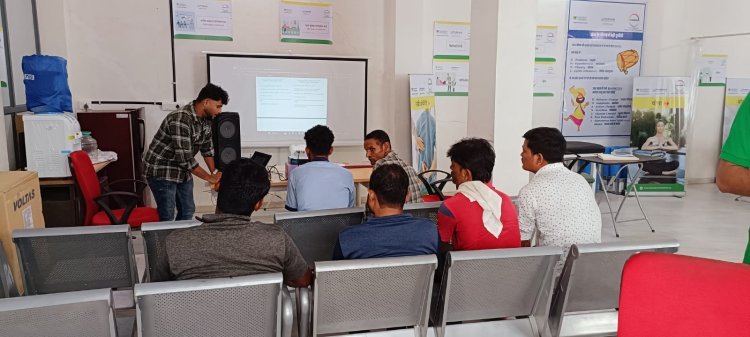
The government’s larger push toward apprenticeships, industry-linked training and outcome-based skilling also reflects a practical understanding of employability. A young person may have completed formal education, but without exposure to tools, machines, customer situations, workplace discipline and real problem-solving, the transition into a job can still be difficult. Hands-on training bridges that gap.
Routine tasks automated much faster than expected-
This is especially important at a time when artificial intelligence is changing the nature of work. Many routine office tasks may be automated faster than expected. But jobs that require physical skill, local presence and practical judgment are much harder to replace. Plumbers, masons, electricians, drivers, technicians and car mechanics were not eliminated by computers or the internet. In many cases, their value increased as societies became more urban, connected and infrastructure-dependent.
Viewed as a powerful career path-
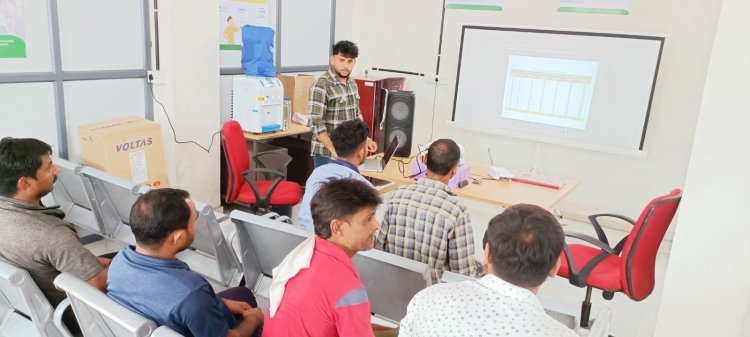
India must therefore look at skill training not as a second option for those who did not pursue higher education, but as a powerful career pathway in its own right. A well-trained technician or tradesperson can support a family, serve a community and contribute directly to the economy. With the right training, certification, dignity and market linkage, hands-on work can become a dependable route to self-reliance.
Practical training-
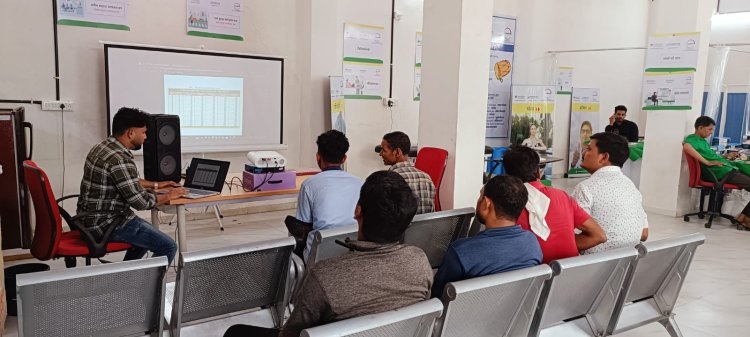
As Mr. Krishna Mohan Pinnaparaju, Founder, UDS Foundation, says, “The future of employment will not belong only to those who know theory. It will also belong to those who can apply knowledge with confidence. Hands-on training gives young people the ability to earn, adapt and stand on their own feet. That is the real bridge between education and livelihood.”